Be prepared for eCTD v4.0 with eCTD Submit
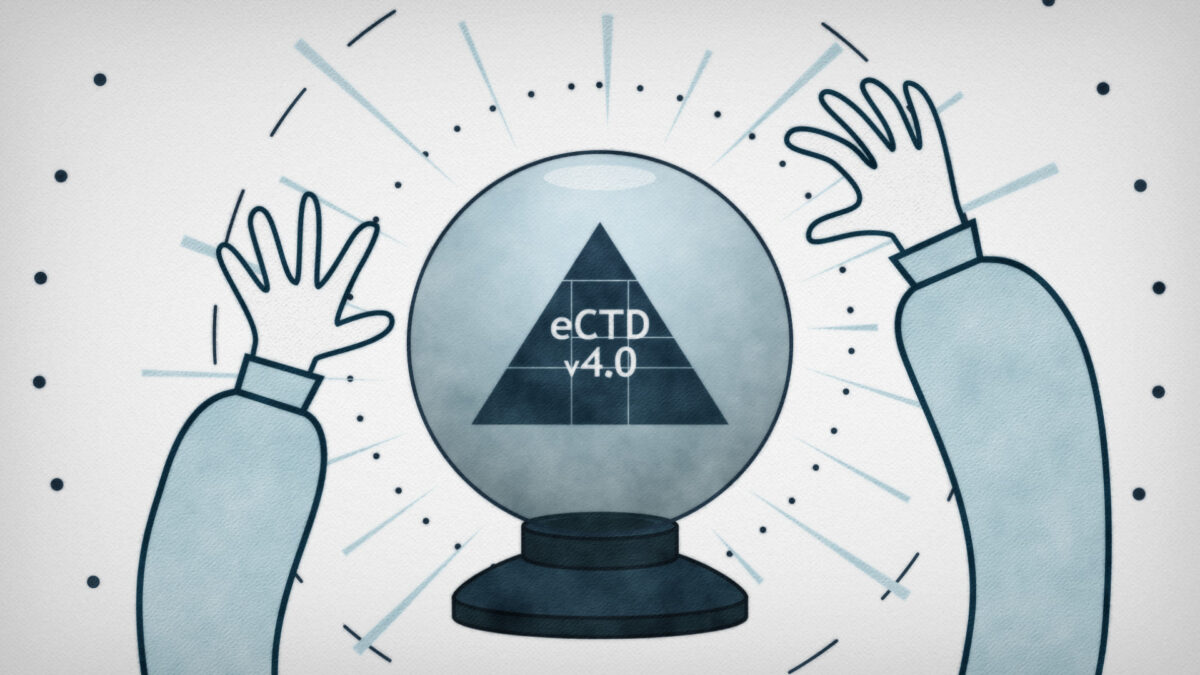
Change. It can be scary if you’re not ready for it. That’s why the introduction of eCTD v4.0 is not a worry for us. Ever since the FDA announced the move from eCTD v3.2.2 to eCTD v4.0 in 2024, we’ve been working closely with our clients to prepare for the transition.
Why the change?
The eCTD format arrived in 1997, replacing paper-based regulatory applications. Since then, there have been several updates and improvements. Now with eCTD v4.0, the aim is to attach greater meaning to each document based on its location within an application. This should provide greater clarity and answer common questions, such as; what does this document represent? Why is it here? What has it replaced? How does it relate to the rest of the submission?
Creating a better conversation
This smarter way of organizing an application is designed to facilitate a clearer, ongoing and meaningful interaction between sponsor and regulator, throughout the entire lifecycle. This is important because, as we all know, regulatory data rarely stands still. Manufacturing, process, and sponsor information can change over time and eCTD v4.0 will help paint a clearer picture of those changes to the regulators.
Practicality through flexibility
Another major benefit of the new system is the easier reuse of previously submitted information. Each document is provided with a universally unique identifier (UUID) and object identifier. This means information submitted in one application is now easier to connect to another. So, answering a regulatory question by linking to the appropriate information becomes more straightforward. It should lead to fewer miscommunications between sponsors and reviewers.
Get ready with eCTD Submit
While eCTD v4.0 is designed to bring greater clarity and efficiency to future submissions, the process of adoption, for some, may appear daunting. If your organization needs support implementing eCTD v4.0 get in touch with eCTD Submit today.
We can support you with training, authoring, templates and many other best practices. Because being prepared for the future is the best way to guard against any nasty surprises.